


The Revolutionary Potential Of The Working Class
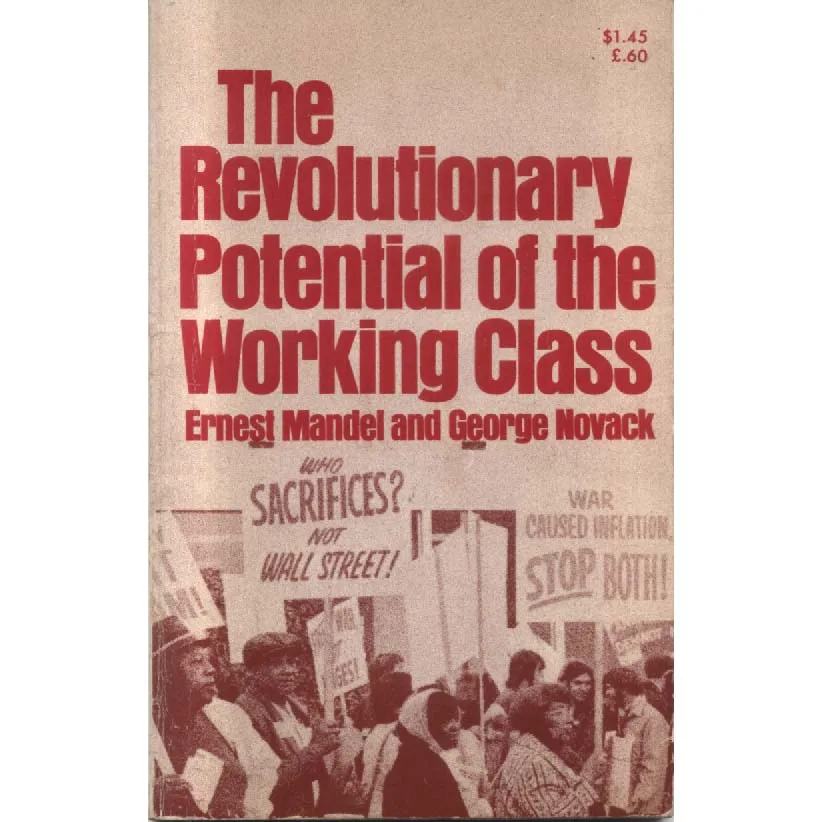
Publisher: Pathfinder Press
Format: Paperback
ISBN: none
Here it is: a slim, serious little paperback from 1974 that turns up in your hands like a leaflet that escaped a rally, survived four house moves, and still insists history is not finished with you yet.
The Revolutionary Potential of the Working Class (1974) by Ernest Mandel and George Novack, published by Pathfinder Press (no ISBN), is exactly what it says on the tin — and it says it with the calm certainty of people who have read the footnotes, attended the meetings, and are not especially impressed by your boss’s motivational posters.
This isn’t a cosy fireside read. It’s more like being pulled into a brisk, argumentative conversation in a smoky room where everyone is convinced the next decade will be decisive. Mandel and Novack set out the case for why the working class remains the central force for social change, why capitalism has structural limits that can’t be politely reformed away, and why “revolutionary potential” is not a poetic phrase but something rooted in production, organisation, struggle, and the daily grind of wages, rent, and power.
If you’ve ever wondered why Marxists spend so much time talking about the working class rather than “the people” in general, this is a good explanation. If you’ve ever rolled your eyes at the idea that history has a direction, this will roll them right back at you and tell you to pay attention. If you’ve ever thought, “Surely the system can’t just keep doing this forever,” this book nods gravely and says: yes, and here’s the argument.
Pathfinder Press, for its part, delivers that classic no-nonsense radical pamphlet aesthetic: functional, direct, and utterly unconcerned with being decorative. It’s the kind of book that looks like it expects you to underline it. Possibly while waiting for a train. Possibly while ignoring polite conversation at a family gathering.
Condition: Good. Which is pleasing, because revolutionary potential is best delivered in a copy that hasn’t been through too many internal contradictions. The pages are sound, the message still sharp, and the overall vibe is “borrowed from someone with strong opinions and never returned.”
There’s also a little irony here, of course: a book about overthrowing capitalist relations of production, now circulating as a second-hand commodity. It’s almost dialectical. But perhaps that’s the point — ideas travel through the world as it is, not the world as we wish it to be.
Whether you’re a committed socialist, a curious historian of political thought, a collector of 1970s pamphlet culture, or just someone who enjoys reading people who write as if words can change the world, this is a fascinating artefact of its era — and a reminder that the great arguments about labour, power, and who benefits from society’s machinery never really go away.
Available now from Crappy Old Books: serving revolutions one slightly dog-eared paperback at a time.
Keep browsing: See more Politics books Other books by Ernest Mandel and George Novack
